Buying a Hillside Home in Kelowna: What to Know First
📖 Estimated reading time: 13 minutes
Hillside homes can offer beautiful views, unique designs and access to nature. But before purchasing, there are a few important considerations that deserve a closer look.
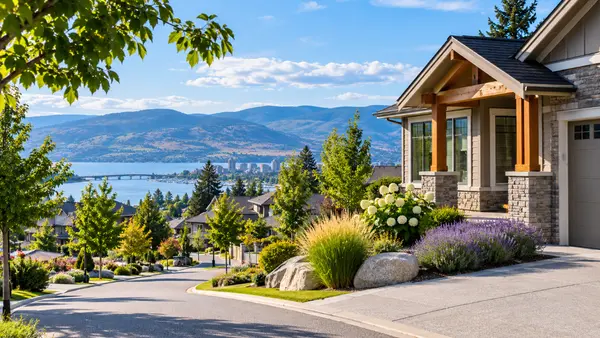
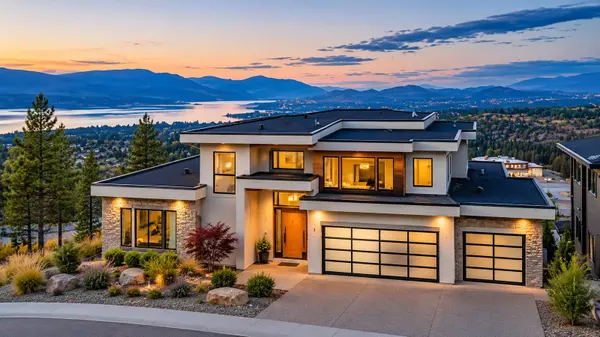
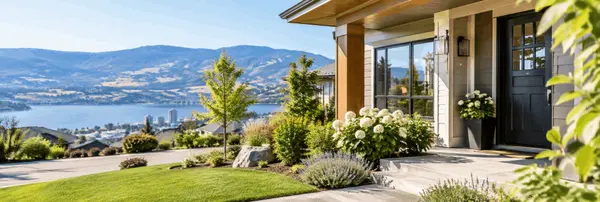
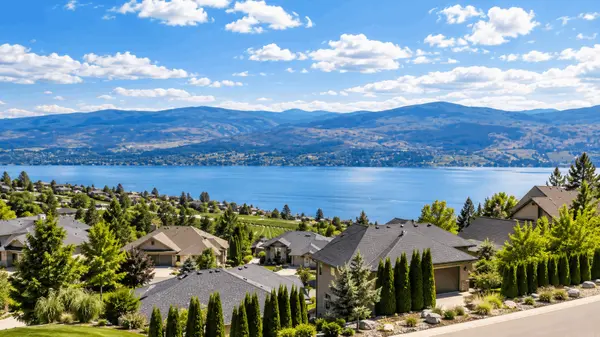
Kelowna's landscape is one of the things that makes living in the Okanagan so appealing. From established neighbourhoods to newer hillside developments, buyers can find homes with views of Okanagan Lake, the surrounding mountains and the valley below.
However, purchasing a home on sloped land can involve considerations you might not encounter with a property on relatively flat ground.
Retaining walls, drainage, foundations, winter access and development restrictions can all influence how a property functions and what future improvements may be possible.
As a Kelowna REALTOR® and Black Mountain resident, I believe it's important for buyers to understand these details before making a purchasing decision.
For more information about the overall purchasing process, including financing, conditions and due diligence, see our guide to buying a home in Kelowna.
Here's what to consider when buying a hillside home in Kelowna.
What Should Buyers Know About Hillside Homes?
Hillside properties can offer advantages, but they may also require additional due diligence.
A few key considerations include:
- Retaining walls: Understand their condition, construction and any available engineering documentation.
- Drainage: Find out how water moves through the property and whether there have been previous problems.
- Driveways: Consider parking, snow removal and winter accessibility.
- Permits and covenants: Check for development restrictions and registered obligations affecting the land.
- Inspections: Determine whether specialized assessments are appropriate.
- Insurance: Confirm suitable coverage is available before removing relevant purchase conditions.
Not every hillside property has these challenges, and the presence of a slope doesn't automatically indicate a problem.
The goal is to understand the individual property and make an informed decision.
1. Understanding Hillside Development in Kelowna
The City of Kelowna has specific development guidelines for certain hillside properties.
Under the City's Official Community Plan, properties where part of the lot has slopes greater than 20% may fall within the Hillside Development Permit Area.
The guidelines also generally recommend that slopes greater than 30% remain undisturbed, subject to applicable exceptions and development requirements.
However, not every property with a sloped driveway or yard is subject to the same requirements. Permit requirements depend on the property's location, mapped designations, proposed work and applicable exemptions.
Why this matters when buying
If you're considering a hillside home with plans to renovate, build an addition or make significant landscaping changes, it's worth investigating what may be permitted.
Consider asking
:- Does the property fall within a Hillside Development Permit Area?
- Are there restrictions affecting future construction or landscaping?
- Were previous additions and significant site alterations properly approved?
- Would proposed improvements require professional reports or municipal approvals?
The City can help confirm which requirements apply to a particular address.
City of Kelowna — Hillside Development Permit Area
2. Retaining Walls: What Buyers Should Look For
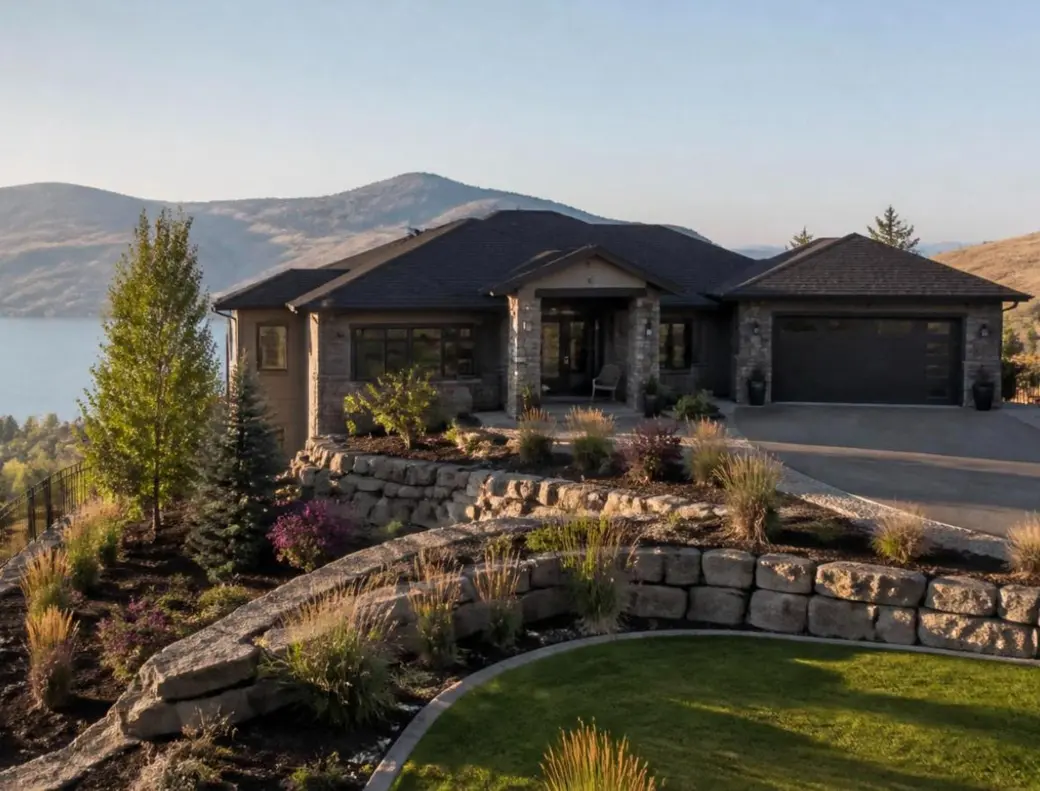
Retaining walls are common on some hillside properties. They help manage changes in elevation and may support landscaped areas, driveways or other portions of a property.
Although they can appear to be simple landscaping features, their design, drainage and condition can be important.
Understanding Kelowna's retaining-wall requirements
Under the City of Kelowna's Zoning Bylaw No. 12375, Section 7.6, retaining-wall requirements include a general 1.2-metre height threshold, measured from the grade on the lower side.
Walls exceeding that height require professional engineering design, and additional provisions apply to tiered walls and certain property configurations. Municipal approval requirements must also be considered.
These requirements don't mean every existing wall taller than 1.2 metres is automatically non-compliant. Applicable regulations, approvals and property-specific circumstances need to be reviewed.
City of Kelowna — Zoning Bylaw No. 12375
Signs that deserve further investigation
When viewing a property, look for
:- Significant cracking or visible movement.
- Leaning, bulging or displacement.
- Water accumulating behind or near a wall.
- Erosion or soil movement.
- Previous repairs without supporting documentation.
These observations don't necessarily establish that a wall is unsafe, but they may justify further assessment.
Ask whether engineering drawings, permits or repair records are available. If concerns arise, a qualified engineer may be needed to evaluate the wall.
3. Drainage and Water Management
Drainage is an important consideration when buying a hillside home.
Water naturally moves downhill, and the way a property has been graded and landscaped influences how surface water travels.
Depending on the property, drainage features may include:
- Surface drains and catch basins.
- Perimeter drainage around foundations.
- Downspouts and designated discharge locations.
- Drainage systems associated with retaining walls.
- Grading intended to direct water away from buildings.
- Sump pumps or other water-management systems.
Not every home requires the same drainage features, and their presence doesn't necessarily confirm that the systems are functioning correctly.
My experience living in Black Mountain
Our own property has retaining walls and drainage features in several areas, along with a driveway that has some slope.
Living here has made me more aware of the practical considerations involved in hillside properties.
It's a reminder that buyers should consider how the entire property functions, not just the home itself.
Questions worth asking
Find out whether there have been previous issues involving water intrusion, drainage failures, erosion or significant repairs.
Available maintenance records, inspection findings and specialist assessments can help clarify potential concerns.
4. Foundations and Structural Considerations
Hillside homes may have foundations designed to accommodate changes in elevation.
Some properties feature walkout basements, stepped foundations or multiple entrances at different ground levels.
These construction methods aren't inherently problematic. What matters is the condition of the home and whether any visible concerns require additional investigation.
During a showing or home inspection, pay attention to significant cracking, signs of moisture intrusion, visible settlement and evidence of previous structural repairs.
A qualified home inspector can assess accessible components within the scope of an inspection and recommend further investigation where appropriate.
5. Driveways, Parking and Winter Access
A hillside property's driveway and access can have a significant impact on everyday living.
Kelowna experiences winter snowfall and icy conditions, and steeper driveways can create additional challenges.
Consider the practical details
When viewing a property, assess
:- Driveway slope and surface condition.
- Parking for household members and visitors.
- Space for snow removal and storage.
- Access for deliveries and service vehicles.
- How easily vehicles can enter and exit in winter.
It's also worth considering whether the driveway and parking arrangements will suit your needs over time.
Municipal snow clearing
The City of Kelowna prioritizes snow clearing based on road classifications.
Residential streets are generally Priority Three, with a target of clearing within 48 hours after snowfall ends, subject to operational priorities and conditions.
Property owners are responsible for their private driveways, and the City doesn't clear snow from driveway entrances.
City of Kelowna — Snow Clearing
You can also explore my Weather in Kelowna guide for a broader look at seasonal conditions.
6. Covenants, Permits and Property Disclosure
Some hillside properties have registered restrictions or obligations that buyers should understand before purchasing.
One example is a Section 219 covenant under BC's Land Title Act.
These covenants may be registered in favour of a local government or another eligible body and can address matters such as land use, development conditions or requirements associated with geotechnical recommendations.
Not every hillside property has these restrictions. However, when a covenant exists, buyers should understand its implications.
Documents worth reviewing
Depending on the property, relevant information may include:
- Current land title and registered charges.
- Building and development permits.
- Engineering or geotechnical reports.
- Retaining-wall and drainage documentation.
- Records of major repairs or renovations.
- The Property Disclosure Statement (PDS), if available.
What about the Property Disclosure Statement?
The Property Disclosure Statement is an important document to review when purchasing a home in British Columbia, but the information it provides can vary considerably.
Some sellers complete the questionnaire, while others may cross out questions, decline to answer or provide little information about the property's condition.
Sellers have legal obligations to disclose certain known defects, including latent defects that meet the applicable legal disclosure requirements. Real estate professionals also have disclosure obligations concerning known material latent defects.
However, these obligations don't guarantee that every issue will be disclosed. Establishing what a seller knew about an undisclosed problem can also be difficult.
A completed PDS may help identify previous repairs, known issues or matters worth investigating, but buyers shouldn't assume that unanswered questions mean there are no problems.
For hillside properties, it's particularly important to investigate previous drainage issues, retaining-wall repairs, water intrusion, foundation concerns and any available engineering documentation.
Regardless of how much information a seller provides, buyers should conduct their own due diligence, including appropriate inspections and a review of available property records.
Your REALTOR® can help coordinate relevant inquiries, while legal questions about disclosure obligations, covenants and title restrictions should be directed to a qualified lawyer or notary.
BC Financial Services Authority — Disclosure and Material Latent Defects Guidance
7. Wildfire and Geotechnical Considerations
Hillside properties may be located near natural vegetation, steep terrain or other environmental features.
These conditions deserve attention, but they shouldn't be treated as evidence that a particular property is unsafe.
Wildfire preparedness
Wildfire preparedness is an important consideration throughout the Okanagan.
Buyers may want to review vegetation around the home, landscaping, building materials and any previous wildfire-mitigation work.
The City of Kelowna also identifies a separate Wildfire Development Permit Area under its Official Community Plan.
Whether particular development requirements apply depends on the property's mapped location, proposed work and applicable exemptions.
For practical guidance, review the City of Kelowna's FireSmart information.
Slope stability and geotechnical conditions
Certain areas of Kelowna may also fall within the City's Hazardous Conditions Development Permit Area.
This designation addresses specified hazards such as landslip, rockfall, erosion and groundwater seepage.
The Wildfire Development Permit Area and Hazardous Conditions Development Permit Area are separate designations, with different purposes and requirements.
If a property is within a designated area, or if available information identifies a concern, buyers should confirm applicable requirements with the City and consider appropriate professional advice.
City of Kelowna — Natural Hazard Areas
City of Kelowna — Hazardous Conditions Development Permit Area
Insurance considerations
Insurance availability, coverage and exclusions can vary depending on the property and insurer.
Before removing relevant purchase conditions, confirm that suitable insurance is available and understand any exclusions that may affect the property.
A licensed insurance professional can help clarify coverage for specific risks.
8. Views, Privacy and Outdoor Living
While hillside properties may involve additional considerations, they can also offer lifestyle advantages.
Views and natural light
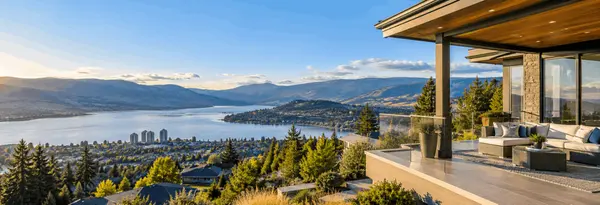
Some hillside homes provide views of Okanagan Lake, the city or surrounding mountains.
However, the extent of a view depends on the property's elevation, orientation, neighbouring buildings and vegetation.
Buyers should also consider whether future development could affect the outlook.
A property's orientation can influence natural light, afternoon heat and the comfort of outdoor spaces throughout the year.
Privacy and neighbouring properties
Changes in elevation can provide privacy, but they can also mean that neighbouring homes overlook decks, patios or yards.
When viewing a property, consider outdoor spaces from different angles.
Landscaping and maintenance
Hillside landscaping may involve terraces, stairs, retaining walls and specialized drainage.
Think about whether the yard will be practical for your household and how much maintenance it may require.
A beautiful outdoor space is most enjoyable when it also suits your lifestyle.
9. Which Kelowna Neighbourhoods Have Hillside Homes?
Hillside properties can be found throughout Kelowna, although the terrain and housing styles vary considerably.
Black Mountain includes established residential areas and newer developments, with some homes offering lake, valley or mountain views.
Upper Mission has hillside residential areas where buyers may find properties overlooking Okanagan Lake.
Wilden includes residential development integrated with the natural terrain north of central Kelowna.
Dilworth Mountain and parts of Glenmore also offer hillside properties with varying lot configurations, access and views.
Each neighbourhood has its own characteristics, and individual properties can differ significantly even within the same area.
For more information, explore my Living in Black Mountain guide or Best Neighbourhoods in Kelowna.
10. Hillside Home Buyer's Checklist
Before making an offer or removing purchase conditions, consider reviewing the following with your REALTOR® and the appropriate professionals.
Property condition
- Are retaining walls in good condition, and are relevant records available?
- Have there been previous drainage problems, erosion or water intrusion?
- Are there any known foundation or structural concerns?
- Would a specialized inspection or engineering assessment be appropriate?
Access and lifestyle
- Is the driveway practical during winter?
- Is there sufficient parking?
- Will the outdoor space suit your needs?
- Have you considered sunlight, privacy and potential future development?
Documents and due diligence
- Have you reviewed the PDS, if available, and investigated unanswered questions?
- Have relevant building permits and property records been requested?
- Are there covenants or restrictions registered on title?
- Does the property fall within a development permit area?
- Have you confirmed insurance availability and important exclusions?
- Have appropriate purchase conditions been considered?
Not every property will require every type of investigation.
The purpose of this checklist is to help identify questions worth addressing before committing to a purchase.
Frequently Asked Questions About Hillside Homes in Kelowna
Are hillside homes more expensive to maintain?
They can involve additional maintenance depending on their construction, landscaping, drainage and retaining walls.
However, maintenance costs vary considerably between properties. A well-maintained hillside home may require fewer immediate repairs than a poorly maintained home on level ground.
Reviewing the property's condition and maintenance history is more useful than making assumptions based on its location.
Do I need a geotechnical inspection when buying a hillside home?
Not necessarily.
A geotechnical assessment may be appropriate when there are known site concerns, relevant development restrictions, recommendations in existing reports or other reasons to investigate ground conditions.
A home inspector, engineer or other qualified professional can help identify whether additional assessment is advisable.
Can I build an addition or change the landscaping on a hillside property?
Possibly, but it depends on the property.
Development permit requirements, zoning, registered covenants, grading rules and other restrictions may affect what is permitted.
Before purchasing with specific renovation plans, confirm the requirements with the City of Kelowna and appropriate professionals.
Are hillside homes in Kelowna a good investment?
A hillside location may offer desirable features such as views, privacy or distinctive architecture, but those features don't guarantee appreciation or resale demand.
Property condition, location, purchase price, maintenance costs and market conditions all matter.
Buyers should evaluate the entire property rather than relying on its hillside setting alone.
Final Thoughts: Buying a Hillside Home in Kelowna
Hillside living is part of what makes Kelowna's residential landscape distinctive.
From lake views and mountain scenery to unique home designs and outdoor spaces, these properties can offer features that appeal to a wide range of buyers.
However, the setting is only one part of the decision.
Understanding drainage, retaining walls, foundations, driveway access, permits and property-specific conditions can help you approach a purchase with greater confidence.
As a Kelowna REALTOR® and Black Mountain resident, I'm happy to help you explore hillside neighbourhoods, ask the right questions and coordinate the information needed to make an informed decision.
Thinking about buying a hillside home in Kelowna?
Whether you're considering Black Mountain, Upper Mission, Wilden or another area, I'd be happy to discuss your plans and help you explore your options.
Book a Free 30-Minute Consultation
Meghan Williamson, REALTOR®
Personal Real Estate Corporation
Living Okanagan Real Estate | eXp Realty
250-864-6497
meghan@livingokgn.ca
https://livingokgn.ca
This article provides general information and is not a substitute for property-specific engineering, legal, municipal or insurance advice. Requirements and conditions should be verified with the appropriate qualified professionals.
Last reviewed: November 2026
Continue Exploring
Categories
Recent Posts